
GEOTHERMAL ENERGY POLICY It shall be the policy of Sierra Club, Hawai`i Chapter, to support a moratorium on the development of the geothermal resource until such time as it is proven to be environmentally sound, safe, renewable, and cost effective. Supporting Statements 1. Sierra Club recognizes that geothermal represents a potential energy source in Hawai`i. However, Sierra Club supports conservation as the first priority in energy planning. Hawai`i needs to develop an integrated energy resource plan that gives full consideration to conservation, and assesses all available options for meeting new electrical demand before investing in new supply. All available resource options must be seriously evaluated on an economic and environmental basis before plans for any geothermal project proceed further. 2. Communities and concerned citizens must have an early and direct role in the planning and decision-making processes of geothermal development. The State has hindered this process by exempting geothermal development from many of the requirements for careful consideration of environmental and health hazards. Because there is major federal involvement, a National Environmental Policy Act Environmental Impact Statement (NEPA EIS) should be required to evaluate large-scale geothermal development. This essential decision-making tool requires a thorough evaluation of economic, environmental, social and cultural impacts. It also requires a thorough alternatives and cumulative impacts analyses. 3. Dependence on geothermal energy will not necessarily reduce the amount of oil imported to Hawai`i. Electricity is currently generated using residual oil, a by-product of the manufacture of transportation fuels. To help Hawai`i reduce its dependence on imported fossil fuels, we need to address transportation, the sector that consumes 60% of the petroleum imported to the state. 4. Geothermal is an industrial activity that will inevitably affect air, water and land resources. Among these impacts are the emissions of toxic gases into the air and the leaching of polluting brines into the groundwater aquifer. Development on conservation-zoned lands will adversely affect the viability of native rainforests. Noise pollution will adversely affect both the wilderness and the residents in neighboring communities. 5. Sierra Club opposes geothermal leasing or development in lands that are included in or adjacent to federal, state or local park systems, wildlife refuges and other native ecosystems that provide habitat for rare or endangered species. 6. The proposed geothermal wells, power plants and transmission corridors would be subject to catastrophic geologic and volcanic hazards. Social, cultural, economic and energy risks must be thoroughly evaluated before committing billions of dollars in such an unstable area. 7. Development elsewhere has shown that geothermal is not a renewable resource and can be depleted over time. There is no evidence that, at the proposed rate of extraction, the Hawai`i geothermal resource will be renewable. 8. Consumers can expect both higher electric bills and increased taxes to pay for geothermal development. The State has estimated the cost to develop and transmit 500 megawatts of geothermal energy to O`ahu at $1.7 billion, while private developers estimate the cost to be at least $3.5 billion. This policy approved by Sierra Club Hawai`i Chapter Executive Committee January 21, 1990 |
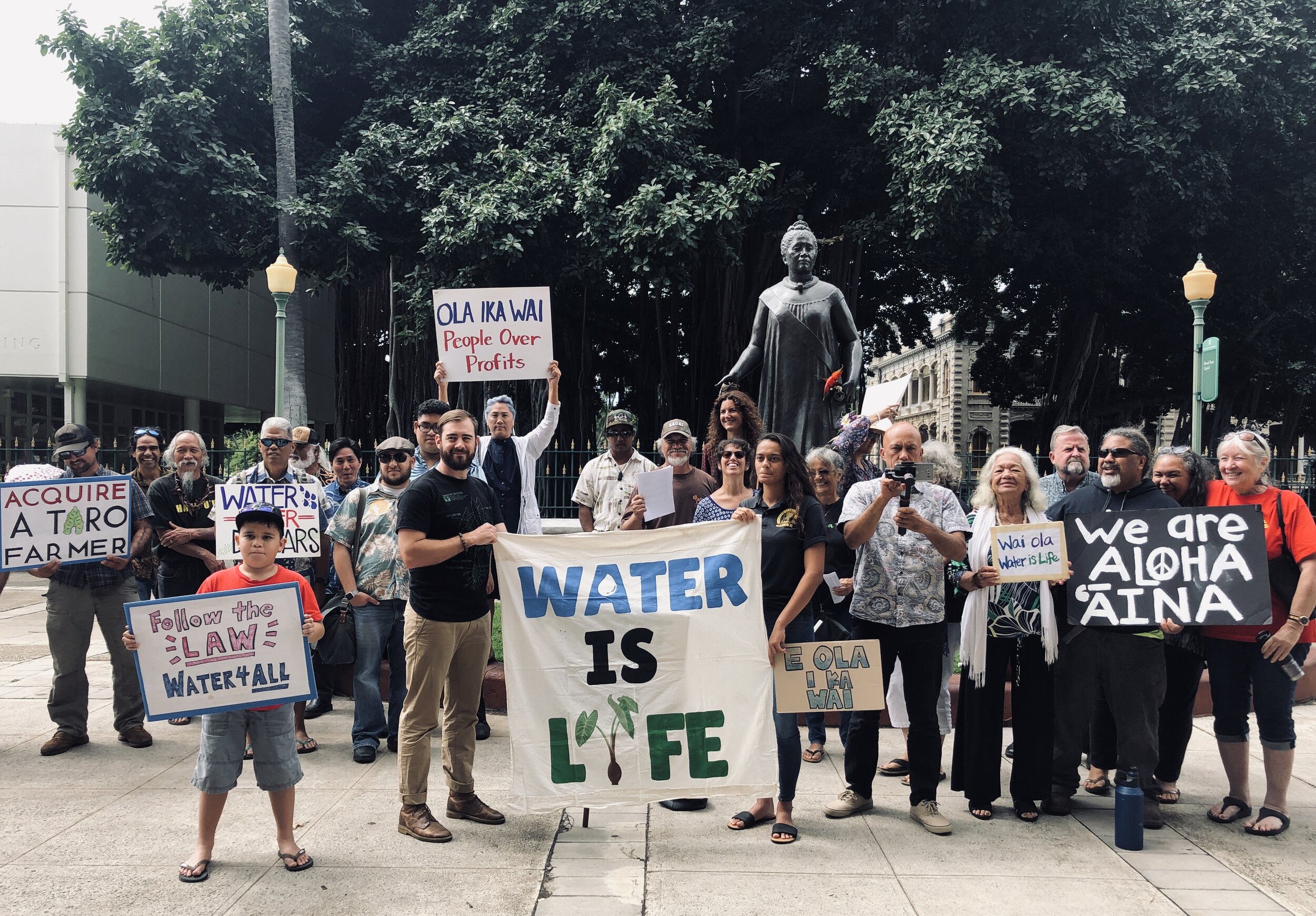
Getting involved with the Sierra Club is as easy as 1, 2, 3!Volunteers ready to race for clean water The Sierra Club is the nation’s oldest and largest grassroots organization for a reason – our volunteers are an integral part of everything we do!Here are some simple ways that you can become a part of this important work!1. Sign up to Take Action and receive our Monthly E-Newsletter!Online activism is a fast, easy and amazingly effective way for you to make a difference. And, our monthly e-newsletter is a great way to stay on top of the Sierra Club’s upcoming events, meetings, and other happenings. 2. Check out our Events Calendar!Almost all of our events, meetings, and activities are open to the public, and certainly to new volunteers. Attending one of our regular meetings or events is a great way to meet other volunteer leaders and learn about ways to get involved in an issue or activity that interests you! 3. Fill out our Volunteer Form!Whether you’re interested in attending a meeting, tabling at an event, analyzing policy, helping us fundraise, or lending your handy skills around the office, there’s a place for you! Fill out our volunteer form and tell us how you want to get involved! |