
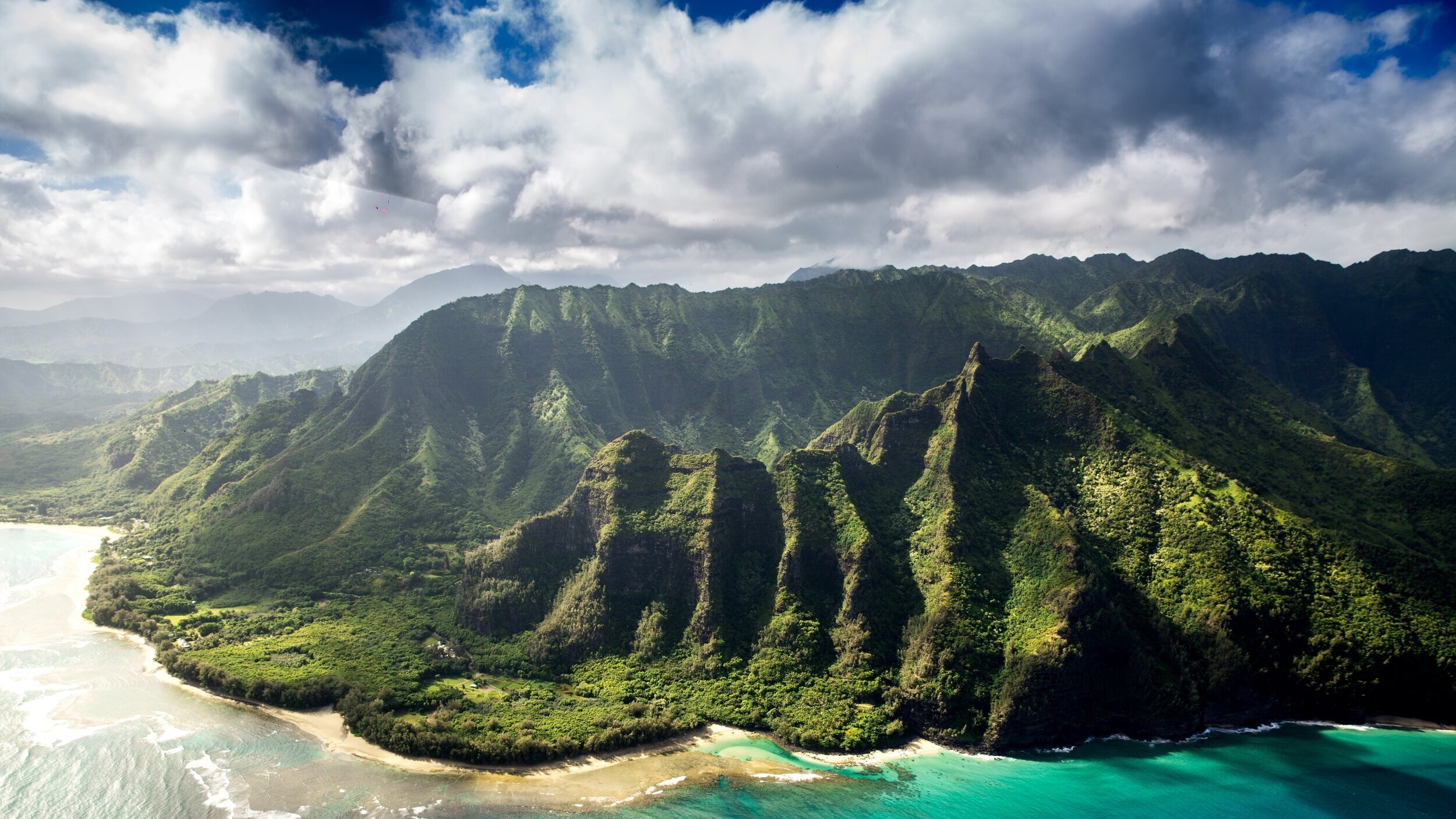
Join us in making change.
With 50 years and counting under our belt, the Sierra Club of Hawaiʻi is working to advance climate solutions, act for justice, get outdoors, and protect Hawai‘i’s lands, water, air, people, and wildlife.
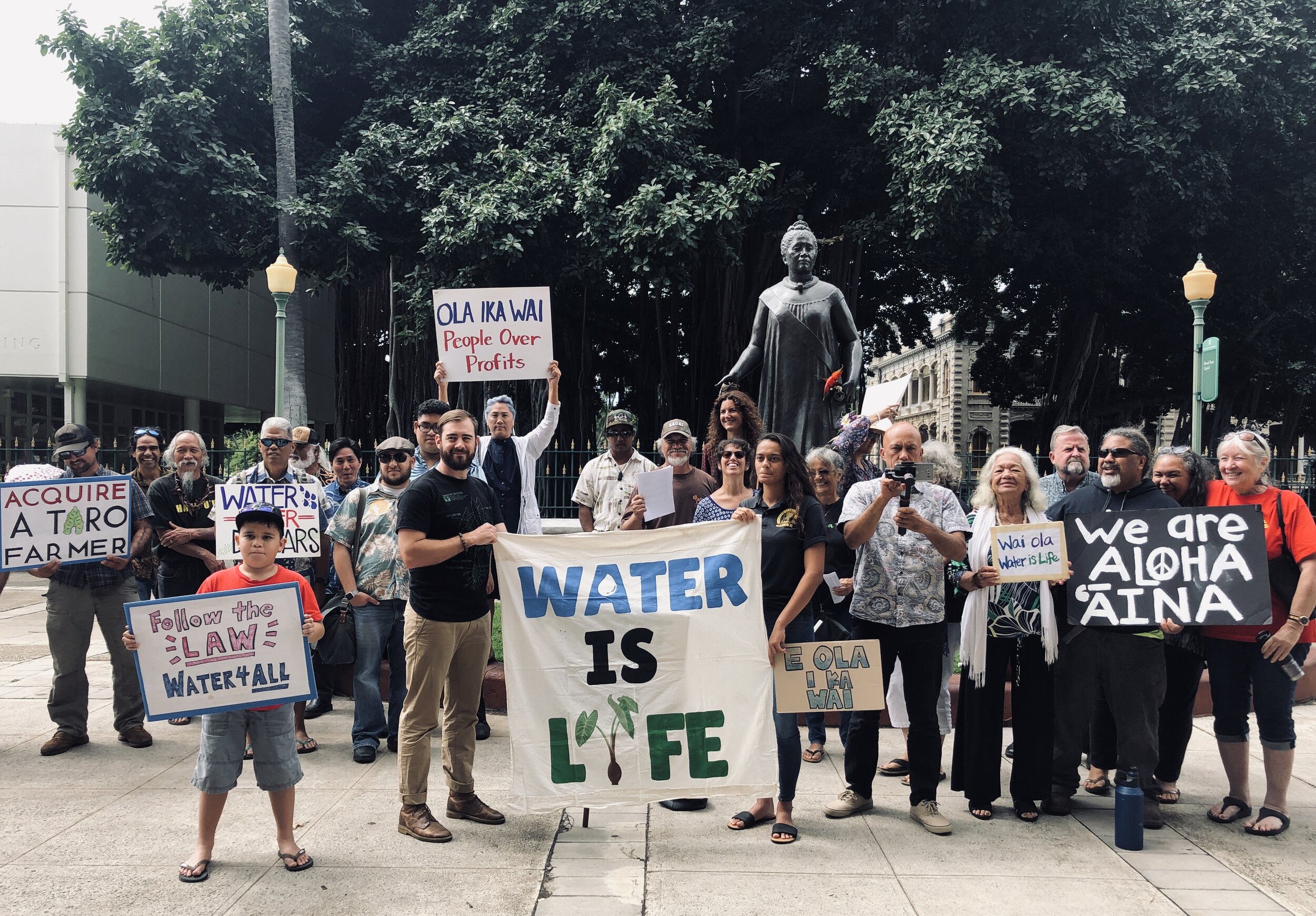
Harnessing the power of the people.
Hawai‘i’s amazing natural resources are something we all love about our island home. Our natural environment unites us to work towards a healthy, resilient, and equitable future for everyone.
We harness the power of people to advocate for a future where public health is protected, our natural resources thrive, and the local impacts of climate change are mitigated.
Connecting people to the outdoors.
We know that nature improves our mental, physical, and social health. With more than 100 hikes and service projects to care for Hawai‘i's special places each year, our trained leaders create opportunities for everyone to experience the transformative power of the outdoors—from trekking Kokeʻe to building trails in Pālehua to reforestation in Hakalau.

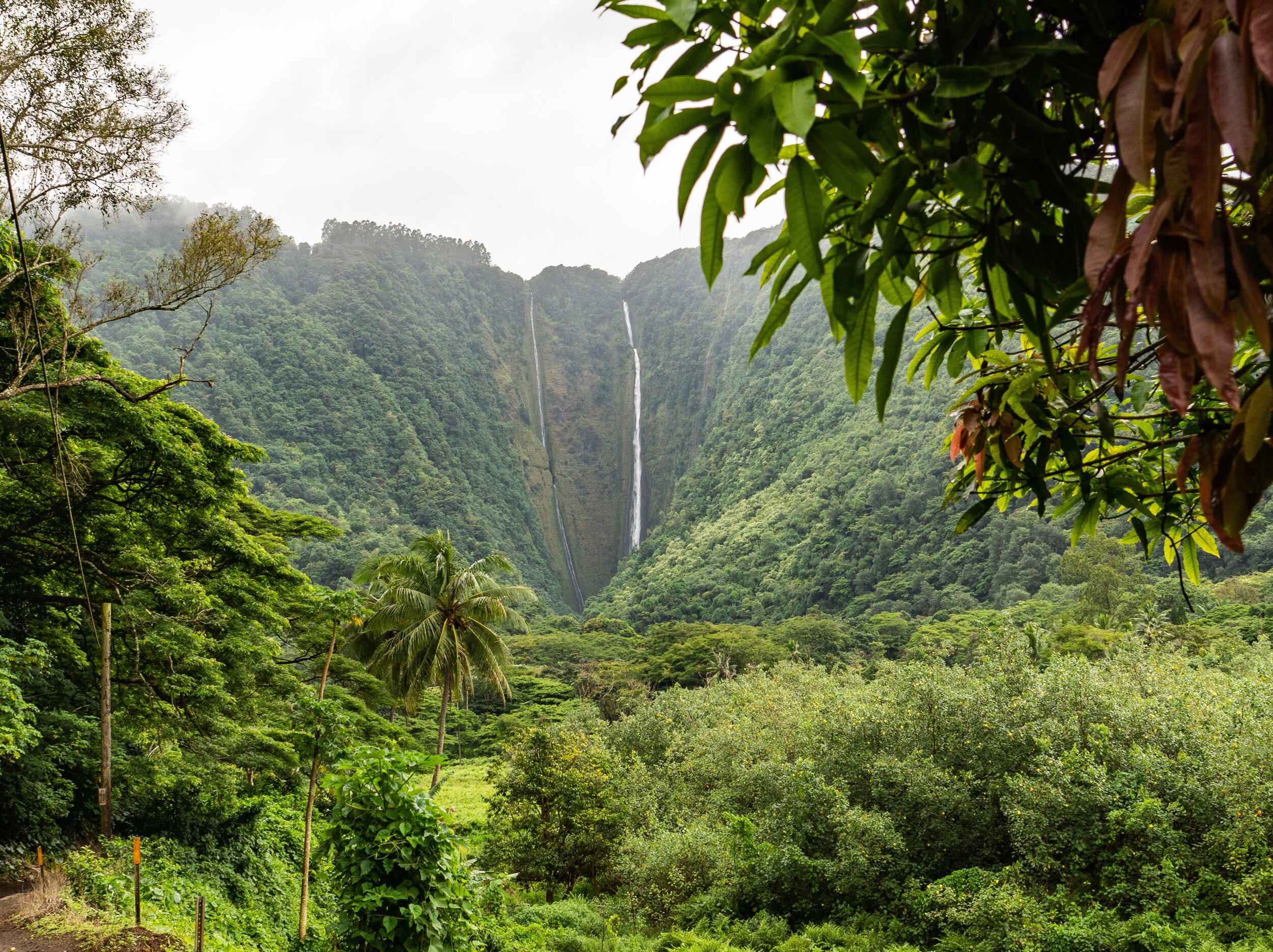
Defending the rights of nature.
Holding polluters and agencies accountable to the law is just as important as establishing protections for Hawaiʻi's environment and people. The courtroom is a key tool for ensuring Hawai‘i’s laws and environmental protections are fully implemented and we are fully prepared to use it in the defense of nature.
Our steadfast litigation has led to the protection of the endangered palila and its habitat, stopped the takeover of NextEra, further safeguarded Oʻahu's drinking water from the Red Hill tanks, and upheld the implementation of the solar water heater mandate, along with so much more.